Introduction: In data center and critical data center applications, the performance and cost of data center air conditioning determine operational reliability. This article compares and analyzes the performance and cost differences between German Rittal data center air conditioners and mainstream brands, aiming to provide a reference for selection.
When comparing, attention should be paid to cooling capacity, COP/energy efficiency ratio, temperature and humidity control accuracy, and response speed. German Rittal data center air conditioners are usually known for their modular design. Mainstream brands differ in performance focus and product line breadth, so the required performance indicators should be used as the standard.
Energy efficiency directly affects long-term operating costs. In addition to rated energy efficiency, the assessment should also focus on performance under partial load and intelligent energy-saving strategies. Different manufacturers implement heat exchange, compressor control, and recycling in various ways, affecting annual energy consumption.
Refrigeration capacity and system stability involve redundant design and temperature control accuracy. Rittal Germany emphasizes modular redundancy, making it easy to scale on demand. Mainstream brands may offer more segmented capacity ranges to meet the needs of data centers of different sizes.
Reliability is determined by component quality, heat dissipation paths, and fault isolation capability. Ease of maintenance includes replaceable modules, remote diagnostics, and spare parts availability. Assessments should be combined with local service networks and maintenance response cycles.
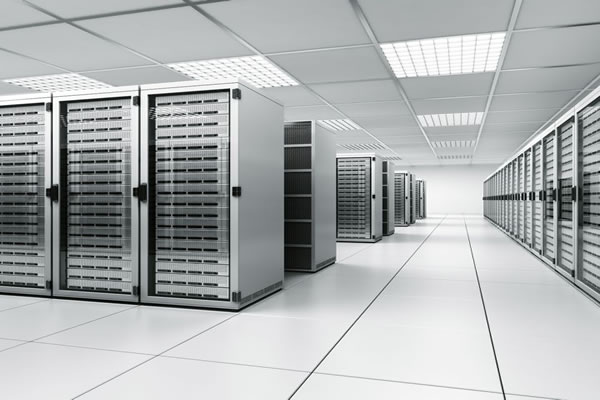
Limitations of the data center site, piping layout, and cabinet interfaces determine installation complexity. Germany's modular solutions are usually convenient for on-site assembly and expansion, but the specific construction and pipeline modification costs must match site conditions.
Modern data center air conditioners emphasize intelligent monitoring, remote alarms, and integration with BMS/DCIM. When comparing, pay attention to communication protocol compatibility, data collection granularity, and historical energy consumption analysis functions, as these will affect operation and maintenance efficiency and energy consumption optimization.
Compliance includes safety, environmental protection, and international certification requirements. German manufacturers usually focus on meeting international standards, but specific models require checking the certification items. Attention should also be paid to the suitability of the equipment in environments with high humidity, high dust, or special altitudes.
Evaluation should not only consider the initial purchase price but also consider energy consumption, maintenance, spare parts, and downtime risk costs. TCO analysis helps determine which types of products are more economical under different operating conditions.
Small edge data rooms, standardized cabinet rooms, and high-density data centers focus differently on air conditioning. Based on load characteristics, available budget, and operation and maintenance capabilities, and combining the "performance and cost differences between German Rittal data center air conditioners and mainstream brands," the most suitable solution is selected.
Summary: When selecting an air conditioner for a data center, a comprehensive evaluation should be based on energy efficiency, reliability, ease of maintenance, and TCO. It is recommended to first conduct requirements analysis and site assessment, requiring vendors to provide on-site case studies and performance curves, and make final decisions based on local service capabilities.
- Latest articles
- In-depth Analysis: Is Alibaba Cloud Hong Kong A Native IP? Bandwidth Optimization Recommendations For Cross-border E-commerce
- Recommended Types And Bandwidth Solutions For Hong Kong Server Clusters Under High-concurrency Applications
- Why Choose VPS For Cross-Border E-commerce Expansion In Korea, Japan, And Hong Kong 3 Practical Traffic Allocation And Optimization
- Key Points For Compliance And Billing Management When Purchasing SK Native IPs In Korea During Enterprise-level Operations
- Methods For Evaluating Data Center Expansion And Resilience When Choosing A Hong Kong Server Hosting Lease
- Analysis From The Perspective Of Filing And Compliance: Which Malaysian VPS Is The Best To Use And Easier To Pass The Review?
- A Comprehensive Analysis Of Which Servers Japanese Users Live On, Including Community Density And Active Periods On The Japanese Server
- Before Purchasing, Compare The Security Measures And Certification Qualifications Of Tencent Cloud Hong Kong Server Proxies
- How To Achieve High Availability And Cost Control In German Server Hosting Through A Hybrid Architecture
- How To Choose Cost-effective Taiwan Cloud Servers And Cloud Hosting With A Limited Budget And Money-saving Tips
- Popular tags
-
Analysis Of The Advantages And Market Prospects Of German Organic House Manufacturers
This article deeply analyzes the advantages and market prospects of German organic house manufacturers and discusses their importance in the field of sustainable construction. -

Advantages And Practical Skills Of Playing German Servers In Toilet C
This article discusses the advantages and practical skills of playing German servers in toilet C to help users better utilize server resources. -

Tips On How To Smoothly Access Hong Kong Servers Through German Nodes
this article introduces tips on how to successfully access hong kong servers through german nodes, helping users improve the stability and speed of network connections.